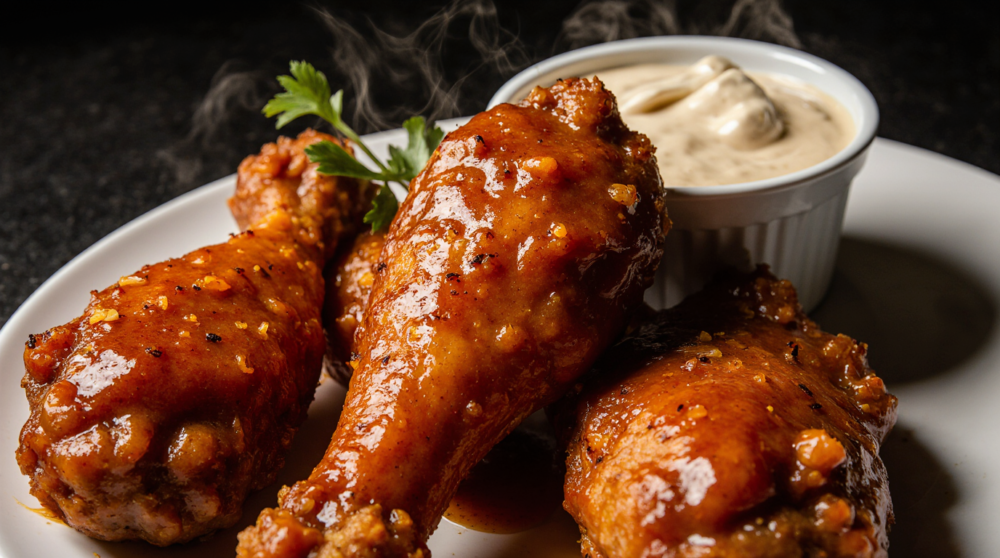
A rushed Tuesday is what made buffalo chicken a regular thing at my house. I had cooked chicken in the fridge, a bottle of hot sauce in the door, and one clean pan left to use. The whole dinner came together fast, but it still smelled like something special was happening. That first batch disappeared so quickly that I wrote the method down before bed.
What keeps me coming back is how lively it tastes with very little effort. The sauce is sharp, buttery, and warm, and the meat stays juicy when you heat it gently. It feels comforting without turning heavy, and it works for lunch the next day just as well as dinner the first night. That kind of flexibility is hard to beat.
People react to the smell before they even ask what is in the pan. The vinegar hits first, then the richer notes follow, and suddenly everyone wanders into the kitchen. Once you add something cool on top, like ranch or crunchy celery, the whole meal feels balanced. That is exactly the sort of recipe that earns a permanent place in the rotation.
Table of Contents
What Is Buffalo Chicken
At the simplest level, it is cooked chicken coated in a hot sauce and butter mixture, then served in whatever form fits the day. The flavor is bright, tangy, and spicy, but not so aggressive that it overpowers everything around it. It has the spirit of wings without the extra work. That simple shift is what makes it useful.
The real trick is balance. Butter rounds out the hot sauce, the chicken gives the sauce something hearty to cling to, and the final dish tastes bold instead of harsh. If you want better flavor, simmer the sauce for a minute before adding the meat so the sharpness softens. That one small step makes the finish taste more complete.
Texture matters more than people expect. Good buffalo chicken should be juicy, glossy, and well coated, not wet and dripping or dry and stringy. A crunchy topping or a cool dressing makes the heat feel brighter and more controlled. That contrast is what keeps the last bite as interesting as the first.
Why Buffalo Chicken Works for Real Life
The biggest reason this recipe works is speed. If the meat is already cooked, the skillet part takes only a few minutes, which makes it ideal for nights when dinner needs to happen fast. It is also a dependable meal prep choice because the flavor stays strong after chilling and reheating. Few quick meals hold up that well.
It is also easy to shape around your mood and your pantry. You can keep it high protein, make it low carb, or stretch it into a heartier meal with bread, rice, or potatoes. When I need a dinner that feels warm and a little fun, this is one of the first things I think of. The taste is bold, but the method is uncomplicated.
• Fast enough for weeknights
• High in protein and filling
• Spicy, tangy, and balanced
• Easy to reheat for lunch
• Simple to cook in one pan
• Flexible for bowls, wraps, and sandwiches
Ingredients You’ll Need
The core ingredients are simple: cooked shredded chicken, butter, hot sauce, garlic powder, onion powder, black pepper, and a little salt. From there, you can decide whether you want a sharper sauce or a softer one. A touch of honey can smooth the edges, while a spoonful of Worcestershire deepens the savory side. Neither is required, but both are helpful options.
The chicken you choose changes the result more than the sauce does. Rotisserie chicken gives you roasted flavor and saves time, while poached or baked chicken gives you a cleaner base and more control. If you cook with chicken often, this collection of chicken recipes is a smart place to find more weeknight ideas. Starting with good meat makes every version easier.
Then come the extras that shape the meal. Ranch, blue cheese, green onions, celery, lettuce, tortillas, buns, or rice all change the texture and feel of the final plate. One thing that makes a difference is choosing at least one cool or crisp element to sit next to the heat. That contrast is where the flavor really opens up.
• 3 cups cooked shredded chicken
• 2 tablespoons butter
• 1 third cup hot sauce
• 1 teaspoon garlic powder
• 1 teaspoon onion powder
• 1 half teaspoon black pepper
• 1 quarter teaspoon kosher salt
• 1 teaspoon honey, optional
• 1 teaspoon Worcestershire sauce, optional
• Ranch or blue cheese for serving
• Celery, green onions, lettuce, buns, wraps, or rice
How to Make Buffalo Chicken at Home
Start with a wide skillet and medium heat. High heat sounds faster, but it can make the butter brown too hard and the sauce taste rough instead of smooth. Melt the butter first, then stir in the hot sauce and dry seasonings. The mixture should look glossy and smell warm, sharp, and slightly buttery.
Next, add the shredded meat and toss patiently. This is where the flavor actually attaches itself, so a rushed stir is not enough. You want the chicken hot all the way through and evenly coated, with no pale dry pieces hiding underneath. If the pan looks dry, add a spoonful of water or broth to loosen it.
If you are starting from raw chicken, cook it fully before shredding or slicing. The best safety check is the safe internal cooking temperature, especially if you are baking or grilling thicker pieces. A juicy base makes the finished dish much better. Dry meat can carry the sauce, but it never tastes quite as satisfying.
Once the skillet is ready, you can decide how to serve it. Pile it into buns, wrap it in tortillas, spoon it over rice, or tuck it into lettuce cups for a lighter plate. I have noticed that buffalo chicken tastes even better when something cool lands on top right before serving. That final contrast keeps the heat bright instead of exhausting.
- Melt. Warm the butter in a skillet over medium heat.
- Stir. Add hot sauce, garlic powder, onion powder, pepper, salt, and optional honey.
- Simmer. Cook for 1 minute until the sauce looks smooth and smells rounded.
- Fold. Add the chicken and toss until evenly coated.
- Cook. Heat for 3 to 5 minutes, stirring often.
- Taste. Adjust the sauce if you want more heat or more balance.
- Serve. Add your favorite base and finish with a cool topping.
Popular Variations for Buffalo Chicken
A buffalo chicken salad is the version I reach for when I want something lighter but still bold. Crisp greens, cucumbers, tomatoes, and a creamy dressing bring enough freshness to calm the heat. It is especially good for lunch because the textures stay lively. You still get the flavor punch, but the whole meal feels cooler.
When the weather is cold, buffalo chicken soup makes a lot more sense than a salad. The same spicy tang gets softened by broth and dairy, which gives the meal a cozy feel without losing its personality. A creamy bowl topped with green onions or blue cheese can feel just as satisfying as a heavier stew. It is a smart way to stretch leftover chicken too.
For a heartier option, buffalo chicken chili takes the same idea and gives it more body. Beans, tomatoes, and extra spices make it thicker, deeper, and better suited to game day or a big family pot. If you are building a lighter menu for the week around richer dinners, these healthy meals can help balance things out. That way comfort food still fits into real life.
Pro Tips
The best hot sauce is the one you would enjoy on its own. Since it drives the whole dish, a sauce you find too harsh in a spoon test will still taste too harsh after cooking. Smoother, vinegar forward sauces usually create a cleaner finish. Start there before adjusting anything else.
The second big tip is to think about contrast every time you serve it. Rich meat wants something crisp, cool, or creamy nearby so the palate does not get tired. If you are thinking about the bigger nutrition picture, this high protein foods guide and these balanced nutrition basics are both useful reads. A little planning goes a long way.
• Warm the meat first. Sauce sticks better to warm chicken.
• Toast your bread. It holds the filling much better.
• Use crunchy toppings. Celery and lettuce brighten every bite.
• Taste before salting. Hot sauce brands vary a lot.
• Rest for a minute. The coating settles and tastes fuller.
Frequently Asked Questions
Can I make it ahead of time?
Yes. Cook and sauce the meat, cool it, then store it in the fridge. Reheat gently with a spoonful of water so it stays moist.
Is it always very spicy?
No. The heat depends on the sauce brand, the amount of butter, and what you serve with it. Ranch, blue cheese, and crunchy vegetables can soften the kick a lot.
What is the best lunch option with this flavor?
Buffalo chicken salad is one of the easiest answers because the cool vegetables balance the sauce so well. It also packs better than you might expect if you keep the dressing separate until serving.
How does it work in cold weather meals?
Buffalo chicken soup feels creamy and soothing, while still keeping that familiar tangy edge. Buffalo chicken chili has a thicker, heartier texture and works better when you want a more filling bowl.
Can I freeze it?
Yes, especially the plain sauced meat. Freeze it in portions, thaw it in the refrigerator, and reheat slowly for the best texture.
How can I estimate the nutrition accurately?
Brand choices matter, especially for sauce and dressing. A detailed nutrition database helps with ingredient estimates, and meal tracking tools are useful when you want a full daily view.
Nutritional Information
Nutrition changes depending on how you serve it. A lettuce wrap version will be much lighter than a bun with ranch, and a rice bowl will bring more carbohydrates than a salad bowl. That is part of what makes this recipe useful. You can shape it around hunger, schedule, and preference without changing the basic method.
A moderate serving of the sauced meat is usually strong on protein and fairly easy to portion. Sodium can climb quickly because hot sauce is doing so much of the flavor work, so measuring once or twice is helpful. After that, you get a much better feel for how to build the rest of the meal. That makes repeat cooking easier and smarter.
Final Thoughts
What I like most is the range. You can turn the same base into something crisp, cozy, or hearty without learning three separate recipes. That is part of why buffalo chicken never really leaves my meal plan. It keeps dinner interesting without asking for much.
If you make it, tell me how you served it and what version won in your kitchen. I always like hearing whether people went with wraps, bowls, sandwiches, salad, soup, or chili. Those little changes are what keep a simple recipe feeling fresh. And that is usually the difference between trying something once and making it again next week.
If you enjoy experimenting with chicken meals, you can explore more ideas in this collection of chicken recipes: Buffalo Chicken Soup, Buffalo Chicken Chili, Buffalo Chicken Salad