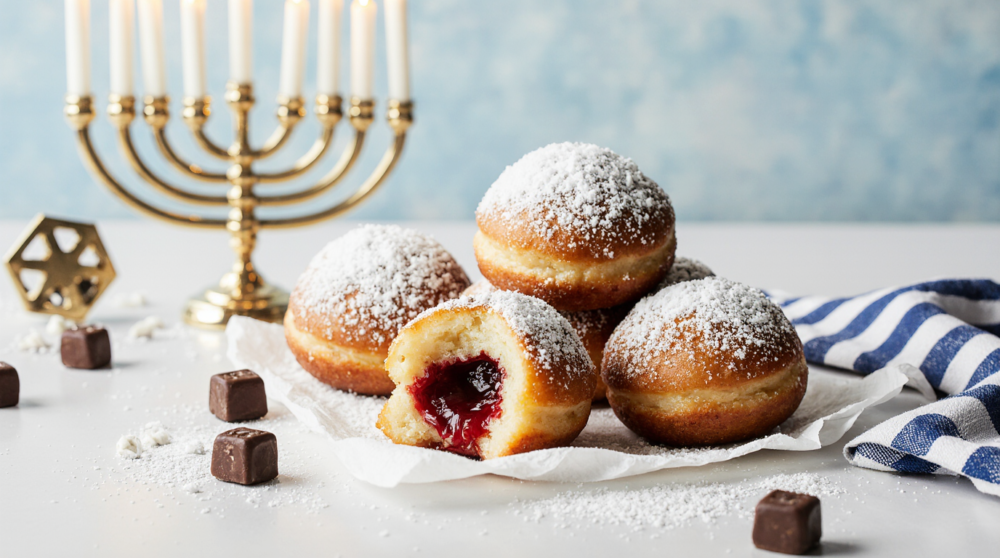
A Sufganiyot Recipe is one of the most iconic parts of Hanukkah celebrations. These soft, airy jelly-filled donuts connect families to the heart of the holiday and stand as one of the most beloved Hanukkah recipes across the world. Light, golden, and dusted with powdered sugar, sufganiyot bring tradition and joy to the Festival of Lights. This beautifully structured guide begins immediately with ingredients and instructions, then leads into an in-depth exploration of technique, variations, troubleshooting, and the cultural meaning behind these timeless treats.
Ingredients for This Sufganiyot Recipe (Makes 16–20 Donuts)
For the dough:
• 3 ½ cups all-purpose flour
• 2 ¼ teaspoons active dry yeast
• ¼ cup sugar
• ¾ cup warm milk or warm plant milk
• 2 large eggs
• 3 tablespoons softened butter or oil
• 1 teaspoon vanilla extract
• ½ teaspoon salt
For frying and finishing:
• Neutral frying oil (canola, sunflower, vegetable)
• 1 cup strawberry or raspberry jelly
• Powdered sugar for dusting

- Lightweight 6.5-quart plastic BPA-free bowl with easy-grip handle and removable drive shaft for easy cleaning; bowl is d…
- Dual beaters provide triple whipping action up to any whipping task. Whip as little as one egg white, mash up to 10 poun…
- Powerful belt-driven Transmission ensures adequate torque for almost any recipe, even kneading up to 14 loaves (15 pound…

- Compact Designed And More Color Options – The stand mixer is less than 7lbs with dimension 12.9*7*10.2 In, small and eas…
- 3.2Qt Capacity and Tilt Head Design – Our little kitchen mixer equipped with 3.2Qt stainless steel bowl,suitable for new…
- 6 Speeds and 4 Anti-Slip Suckers – This Mini Mixer has 6 different speed options,suitable for mixing bread dough, thick …

- FRY FOR THE FAMILY: Great for a hungry crowd, this fryer’s 4.5-liter capacity fries large portions of French fries, doug…
- BRING RESTAURANT-QUALITY HOME: Skip takeout and long lines – make restaurant-style appetizers for the whole family in mi…
- MESS-FREE MEALS: Frying foods at home no longer means a splattered mess and lingering oily smell. With this fryer, the f…
Instructions: How to Make Perfect Sufganiyot
1. Activate the yeast:
• Mix warm milk with 1 teaspoon sugar
• Sprinkle yeast on top
• Let rest 5–8 minutes until foamy
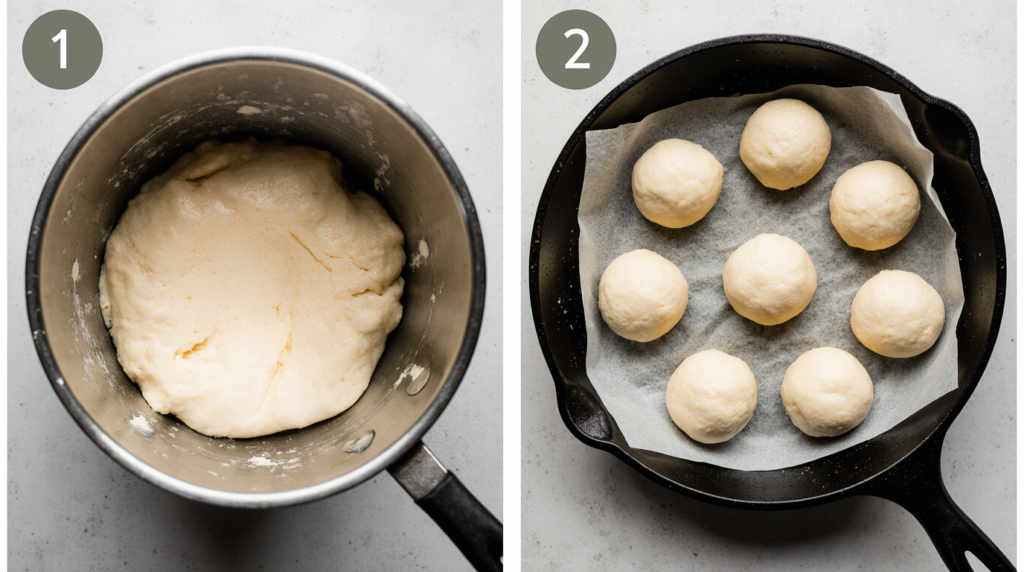
2. Prepare the dough:
• Combine flour, remaining sugar, eggs, butter or oil, vanilla, and salt
• Add yeast mixture
• Mix until a soft dough forms
3. Knead and let rise:
• Knead 5–7 minutes until smooth and elastic
• Place in a greased bowl
• Cover and rise 1–1½ hours
4. Shape the donuts:
• Roll dough to ½-inch thickness
• Cut into circles
• Transfer to floured tray
• Rest 20–30 minutes
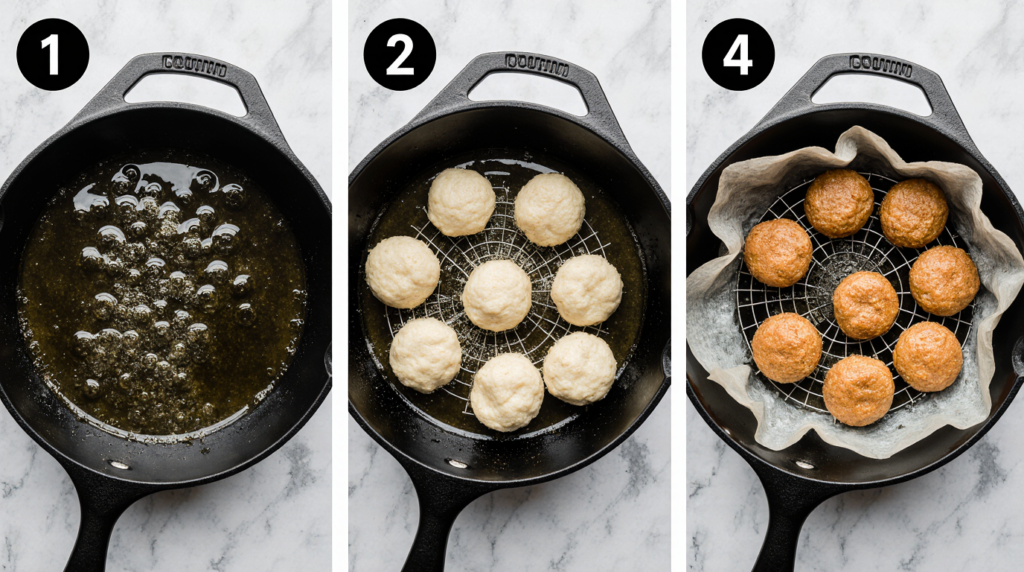
5. Heat the oil:
• Heat oil to 350°F (175°C)
• Maintain steady temperature
6. Fry the donuts:
• Fry 45–60 seconds per side
• Remove when puffed and golden
7. Drain and cool:
• Place on paper towels or a wire rack
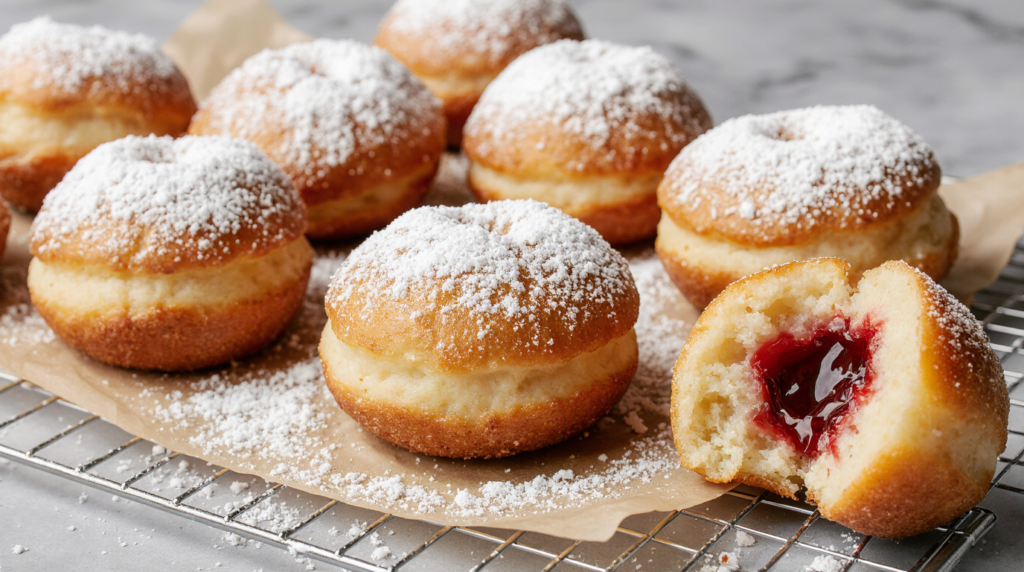
8. Fill the donuts:
• Use piping bag with narrow tip
• Inject jelly through side or top
9. Dust with powdered sugar:
• Coat generously before serving
A Complete Guide to Sufganiyot
Why This Sufganiyot Recipe Is So Special
This Sufganiyot Recipe is rooted deeply in tradition. Sufganiyot are essential to Hanukkah recipes because they are fried in oil, symbolizing the miracle of the oil that lasted eight nights in the Temple menorah. Their warm, pillowy texture and sweet filling bring comfort and celebration to Hanukkah meals.
They are more than donuts—they represent shared moments, family gatherings, and the joyful atmosphere of the holiday season. Whether enjoyed warm from the fryer or displayed on a festive holiday tray, sufganiyot make every Hanukkah celebration sweeter.
Understanding the Dough
A perfect Sufganiyot Recipe relies on dough that is soft, enriched, and tender. Each ingredient plays a distinct role:
• Flour: Creates structure
• Yeast: Makes the dough rise and become light
• Sugar: Sweetens and fuels the yeast
• Milk: Adds softness and helps browning
• Eggs: Provide richness and elasticity
• Butter/Oil: Gives tenderness
• Vanilla: Adds flavor depth
• Salt: Balances sweetness
The aim is a dough that is elastic, slightly tacky, and easy to roll—never stiff or dry.
How to Achieve Light, Airy Sufganiyot
Great texture comes from:
• Proper kneading to develop gluten
• Allowing the dough to fully double in size
• Resting shaped dough before frying
• Maintaining oil at 350°F (175°C)
• Frying for exactly the right length of time
• Letting donuts cool slightly before filling
These steps ensure a donut that is puffy, tender, and evenly golden.
Common Problems and How to Fix Them
• Dense donuts: Dough didn’t rise long enough or too much flour added
• Excessively oily donuts: Oil temperature too low
• Burned donuts: Oil too hot or donuts too thin
• Leaking filling: Donuts filled too hot or punctured too deeply
• Flat donuts: Dough rolled too thin or under-proofed
Understanding these issues helps you deliver consistent, bakery-quality results.
Traditional and Modern Fillings
A classic Sufganiyot Recipe uses strawberry or raspberry jelly, but modern fillings have become increasingly popular. Consider:
• Pastry cream
• Chocolate ganache
• Lemon curd
• Nutella or hazelnut spread
• Apple butter
• Salted caramel
• Blueberry compote
• White chocolate cream
• Coffee custard
Each filling creates a unique twist while keeping the traditional donut at heart.
How to Serve Sufganiyot
Sufganiyot should be:
• Served warm
• Dust lightly with powdered sugar
• Filled generously
For gatherings, offer multiple fillings so guests can choose their favorite. Pair with:
• Coffee
• Tea
• Spiced cider
• Hot chocolate
They also complement savory Hanukkah recipes like brisket, Potato latkes recipe, or roasted vegetable dishes.

Storage and Make-Ahead Options
While best fresh, this Sufganiyot Recipe adapts well to preparation ahead of time:
• Refrigerate the dough overnight
• Freeze unfilled donuts and thaw before filling
• Reheat in a 300°F (150°C) oven for a few minutes
Avoid refrigerating filled donuts—they lose their tenderness.
Frequently Asked Questions
Why didn’t my dough rise?
• Yeast may be expired or liquid too hot
Why are my donuts oily?
• Oil was not hot enough
Can I bake instead of fry?
• You can, but the result differs from traditional sufganiyot
Can I make them gluten-free?
• Yes with a high-quality gluten-free flour blend
Why This Sufganiyot Recipe Works
This recipe works because it combines classic technique with clear steps that guarantee results. The dough rises properly, the frying temperature is easy to control, and the method ensures softness inside and crispness outside. Whether you’re new to Hanukkah recipes or a seasoned cook, this guide brings you to perfect sufganiyot every time.
Final Thoughts
A Sufganiyot Recipe is more than a dessert—it is a celebration of Hanukkah tradition. These donuts bring warmth, sweetness, and togetherness to the holiday table. Whether you prefer classic jelly filling or modern flavors, sufganiyot remain a beloved highlight of Hanukkah recipes. This guide ensures your homemade donuts will be tender, golden, and unforgettable.